4 Days in Puerto Rico: How to Make the Most of Your Trip
Updated: Aug 29
**Puerto Rico is currently experiencing a water shortage across parts of the island, so before booking your trip, we recommend checking current conditions and any local advisories.**
Day 1 — Arrive in San Juan + Rent a Car
You’ll most likely arrive in San Juan, Puerto Rico, since this is the island’s main hub for most airlines.
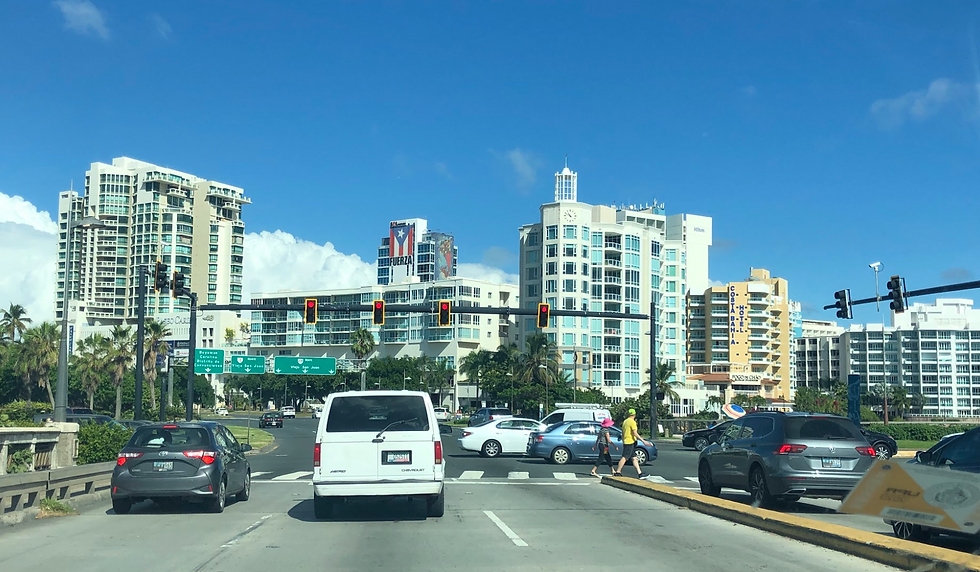
We usually fly directly from Texas, and it’s about a five-hour nonstop flight.
If you’re coming from farther away or trying to make the trip a little more affordable, be sure to check your credit card travel perks. If you happen to have a layover in Florida, there are some great airport lounge options at Miami International Airport, which is a common connection point.
And you already know us, we never pass up an opportunity for a good lounge. 😉
One of the best things about Puerto Rico is that driving feels pretty familiar if you’re coming from the mainland U.S.
In our opinion, renting a car is a must.
There is simply so much to see outside of San Juan, and having your own vehicle gives you the freedom to explore the island at your own pace.
We also recommend looking into the toll pass option with your rental car. We’ve found it to be worth it.
San Juan is home to many of Puerto Rico’s most well-known attractions, so if you’re spending your first day here, these are a few places we’d prioritize.
Visit Escambrón Beach
My wife and I love snorkeling, so Escambrón Beach is one of our favorite spots in San Juan.
The beach faces the open sea, but large rock formations create calmer pockets of water that are great for swimming and snorkeling right in the heart of the city.
If you’d rather stay dry on your first day, spend some time walking through Old San Juan instead.
The colorful pastel buildings, cobblestone streets, historic architecture, and ocean views make the entire area feel like a postcard.
Visit El Morro
Another iconic San Juan landmark is Castillo San Felipe del Morro, commonly known as El Morro.
This historic Spanish fortress overlooks the Atlantic and is surrounded by a massive grassy lawn where locals and visitors often fly kites.
In Puerto Rico, you may hear them called chiringas.
This was a funny one for me because, being Mexican, I grew up calling them papalotes. Personally, I think chiringas is more fun to say.
Day 2 — Culebra Island Adventure
You’ll need to start this day early, but trust me, it is SO worth it.
There are a couple of ways to get to Culebra.
Option 1 — Take the Ferry

If you stayed overnight in San Juan, plan for roughly a one-hour drive to the ferry terminal in Ceiba.
From there, the ferry ride to Culebra is usually around an hour to an hour and a half.
We highly recommend booking your ferry tickets in advance.
Because the ferry is considered public transportation, tickets are typically very affordable. When we checked in 2026, non-resident visitor tickets were around $2.25 each way, but always check current pricing and schedules before your trip.
Also pay close attention to the return schedule, especially if you’re planning to visit Culebra as a day trip.
Parking is available near the ferry terminal, but prices can change, so confirm current rates before you go.
Option 2 — Fly to Culebra

Another option is taking a small plane from Ceiba to Culebra.
The flight itself is short, and the entire experience from boarding to landing can take around 30 minutes.
Now, I have to go on a little tangent here.
We took this flight around sunrise, and it ended up being one of those completely unexpected travel moments that sticks with you.
As we left the mainland, the coastline below was filled with small bodies of water. The sun was sitting at just the right angle, reflecting a warm golden light across the landscape, making them glint like pockets of gold.
Then came the turquoise Caribbean water.
It was one of those moments where Puerto Rico truly lived up to its name: The Island of Enchantment.
I remember feeling incredibly lucky just to be there experiencing it.
Welcome to Culebra
If you arrive by ferry, you’ll find taxis and local transportation waiting near the port.
Your destination?
Flamenco Beach.
I recommend taking a taxi rather than trying to walk. Flamenco Beach is a few miles from the ferry terminal, and you’ll want to save your energy for the beach.
This is where all the travel effort becomes worth it.
I still remember walking toward the white sand, surrounded by greenery and palm trees.
Then that turquoise, crystal-clear water came into view.
It honestly felt like I had walked onto the set of a Corona commercial.
Absolutely stunning.
You’ll have to check out the videos Elaine posted on our social channels because pictures really don’t do it justice.
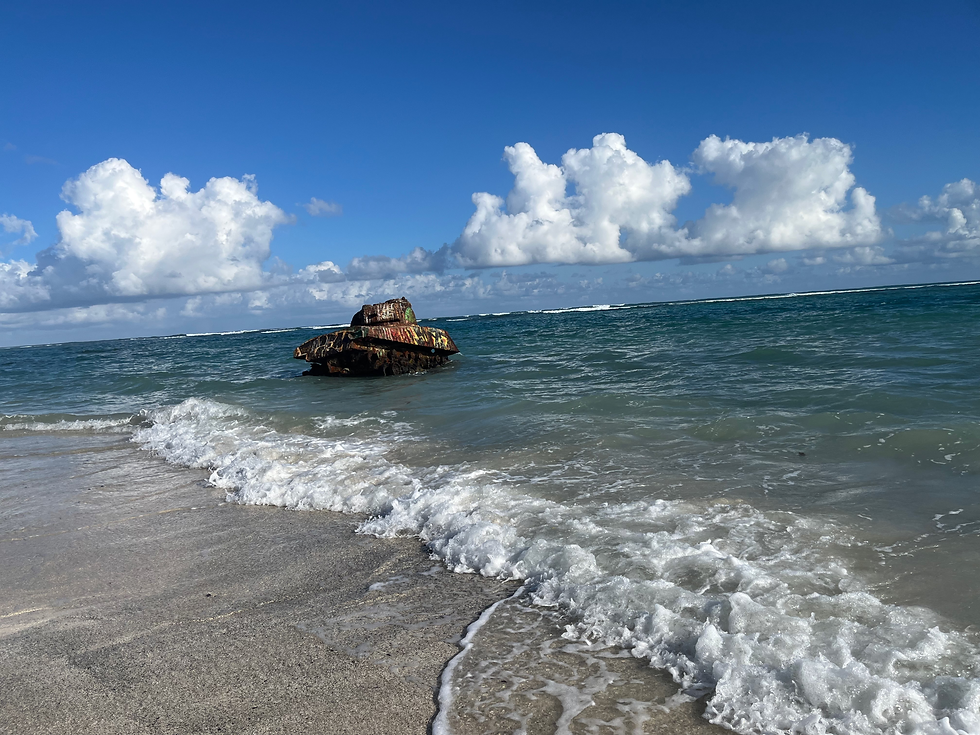
Culebra also has a fascinating history. The island was once used by the U.S. military, and Flamenco Beach is now famous for its abandoned tanks, which have become one of the island’s most recognizable landmarks.
Near the beach, you’ll also find small local food stands selling Puerto Rican snacks, drinks, and piña coladas.
Add in the free-roaming chickens and beach cats, and the entire place has its own personality.
We can easily spend the entire day here and still feel like it wasn’t enough.
Honestly, I’d recommend spending the night in Culebra if your schedule allows it.
This is one stop you really do not want to skip.
Day 3 — La Parguera
If you stayed overnight in Culebra or near Ceiba, expect a drive of roughly 2.5 hours to La Parguera.
If you returned to San Juan, it’s still around a two-hour drive toward the southwestern side of the island.
Every time we drive across Puerto Rico, I’m reminded of how diverse the landscape is.
The center of the island becomes mountainous, and the vegetation feels straight out of paradise.
The scenery makes the drive go by pretty quickly.
Of course, if you’re from Texas, a two-hour drive is basically normal anyway.
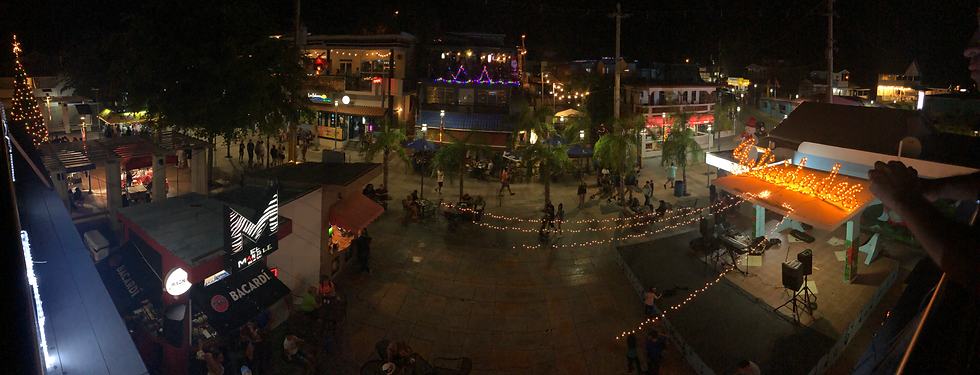
Your destination is Puerto Parguera, a waterfront community with restaurants, bars, local shops, and a laid-back atmosphere.
When we visited on a weekend, there was a live band and a DJ playing everything from salsa and merengue to reggaetón.
Good food, good drinks, music, and waterfront views.
Exactly what we wanted.
Bioluminescence Is a MUST
To finish the night, we booked a bioluminescent bay tour directly from the waterfront port.
The tour took us a short distance offshore to experience one of the coolest natural phenomena we’ve ever seen.
Our guides were funny, informative, and clearly cared about protecting the environment.
Expect the experience to be very dark, that’s part of what makes the bioluminescence visible and helps protect the natural environment.
When we arrived at the bay, we could already see the faint glow of the water as the boat slowed down.
Then our guide explained what caused the bioluminescence and how rare it is.
He climbed onto the roof of the boat and did an epic backflip into the water.
The water lit up around him as he moved.
It was one of those moments where everyone on the boat just stared.
Absolutely unreal.
Puerto Rico is one of the few places in the world where you can experience permanent bioluminescent bays, which makes this something we think everyone should experience at least once.
There’s also another famous bioluminescent bay in Vieques — but we’ll save that one for another blog.
Afterward, we recommend staying in La Parguera or somewhere nearby.
If possible, consider booking an Airbnb or locally owned stay. In our experience, the hospitality has always been amazing, and it’s another way to support local residents directly.
Day 4 — Crash Boat Beach
For your final day, make your way toward the northwest side of Puerto Rico to Crash Boat Beach in Aguadilla.
This is one of my favorite places to snorkel on the island.
We’ve also recently seen improvements to some of the areas that had previously been damaged by hurricanes, making it even better than when we first visited.
One of the most recognizable features is the large pier extending into the water.
Locals often walk to the end and jump into the deeper water with snorkel gear.
If you plan to do this, please make sure you are a confident swimmer.
The water becomes much deeper toward the end of the pier, and you may be farther from shore than it appears.
We spent most of our time snorkeling around the pier and saw schools of sergeant major fish, angelfish, rays, and even barracuda.
The shallow areas closer to shore were full of life too.
If you prefer something less strenuous, explore around the smaller pier structures and shallow areas where you may spot crabs and other marine life.
As the afternoon goes on, food vendors begin setting up along the beach, making it incredibly easy to refuel without leaving.
Some of my favorite Puerto Rican street foods to look for are:
Bacalaítos - essentially fried fish pancake with mayuketchup sauce
Alcapurrias - a fried root vegetable stuffed with seasoned ground beef
Ground beef empanadillas - fried dough stuffed with picadillo ground beef
And, of course, wash it all down with an ice-cold Medalla, one of Puerto Rico’s most popular local beers.
Flying Out of Aguadilla
If your itinerary lines up, there’s also a smaller airport on this side of the island: Rafael Hernández International Airport in Aguadilla.
We’ve flown out of Aguadilla before, and depending on your flight options, it can save you from having to drive all the way back to San Juan.
Either way, prepare to sleep well that night.
After traveling from one side of Puerto Rico to another, you’ll quickly realize something:
There is SO much more left to explore.
Four days is only the beginning.
And if you’re anything like me, this might just be your first step toward becoming an honorary Boricua.
As always, travel responsibly, respect the local culture, and support local businesses whenever you can.
Jesus & Elaine
Aerglo Travel


Welcome to Puerto Rico.